Nepal: +977-9851021203
Landline number : 01-5121097
Thasikhel, Lalitpur, Nepal,
PO Box: 12117

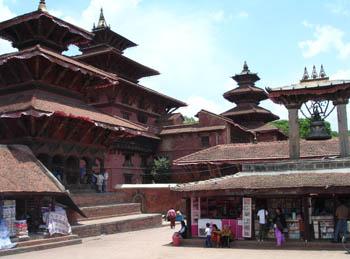
Patan, also called Lalitpur - "beautiful city," is the oldest of the three ancient cities of the Kathmandu Valley. Kathmandu was founded in the 2nd century CE, Bhaktapur in the 8th: Patan was a major religious and cultural center by the 3rd century BCE.
Legends of visits here by the Buddha (6th century BCE) and the emperor Ashok who converted to Buddhism in the 3rd century BCE are not well-founded. But the 3rd century BCE date is well established by four earthen stupas of that era that sit by the approach roads to the old city. There is a fifth mound in the city center that is probably a ruined stupa - locals call it the Kirat palace. The Kirat Dynasty ruled Nepal from the 8th century BCE to the 2nd century CE.
The durbar square area, though, is recent by Nepal standards, with the main buildings erected in the 1600s. Prior to that Patan was ruled by a commercial council, like the burghers of Holland. The fine houses of the wealthy lined this street then.
A 17th century court poet wrote of the recent palace and temple construction, "Isn't it just like a bit of heaven." We agree. Visit the palace square and wander both north and south from there to experience this remarkable place.
The Magnificent Seven - The World Heritage Sites of the Kathmandu Valley
The Valley of Kathmandu is fertile, flat and compact. It is situated at the altitude of between 1,200 to 1,500 meters (between 4,000 to 5,000 feet).
The valley is also small, with an area of only 220 square miles (570 square kilometers). Yet in its smallness, there are record seven World Heritage Sites declared by the UNESCO - a fact unrivalled anywhere in the world! The seven man-made wonders are the milestones of Nepal's past and a living museum of high culture.